
 When deciding an area variance application, a zoning board may consider the proposed use of the property and the purpose in seeking the variance. However, the zoning board cannot fail to account for the five-factor test mandated by statute (see General City Law § 81-b[4][b][i]-[v]; Town Law § 267-b[3][b]; Village Law § 7-712-b[3][b]) and

A Decision without Recourse? The Unique Hurdle When Pursuing Zone Changes and Zoning Amendments
In the land use and zoning arena, discussion of article 78 proceedings is commonplace. They are, after all, the primary mechanism for challenging decisions on the full litany of land use applications (i.e. subdivisions, site plans, variances, special permits, etc.). An aggrieved party seeking to overturn a board’s decision is given a window of time
Long Island Farmland Protection and the COVID-19 pandemic
 As many of us continue to cocoon inside our homes during the COVID-19 pandemic, avoiding supermarkets and anyone else for that matter, Long Island farms are seeing a resurgence in interest for locally grown produce and agricultural products. In some ways farmers are sometimes better off than town and city dwellers., because farmers can produce
Southampton Town Targets Short Term Rentals For Enforcement Due To Covid-19 Outbreak
In response to the Coronavirus outbreak, many New York City residents have sought refuge from the epicenter of the disease by travelling to the East End of Long Island. On March 27, 2020, several East End leaders, including leaders from the Town of Southampton, Town of Southold, Town of Riverhead, Village of Westhampton Beach, Village
How Executive Order 202.8’s 30-Day “Tolling” Affects Statutes of Limitations in the Article 78 Context
 Recent executive and administrative orders carrying-out COVID-19 mitigation and public safety measures will impact litigation within the Article 78 context, specifically the deadlines for commencing a proceeding to challenge municipal determinations. This impact is significant given the short statutes of limitations periods typical to land use litigation. Governor Andrew Cuomo’s Executive Order 202.8 (“Executive
Coronavirus & The Open Meetings Law: How To Hold Public Meetings During The COVID-19 Pandemic
 The public health crisis created by COVID-19 has forced municipal officials statewide to cancel, suspend or postpone previously scheduled public hearings and meetings. How do public bodies conduct their necessary business during these uncertain times? Below is a brief analysis and summary of what options are available.
Background
On March 7, 2020, Governor Cuomo issued
The Coronavirus’ Impact on Pending Land Use Applications and Approved Construction Projects
NOTE: This blog post was updated on March 27, 2020 to reflect the new guidance that was issued by New York State Governor Cuomo’s office today relative to construction.
Despite 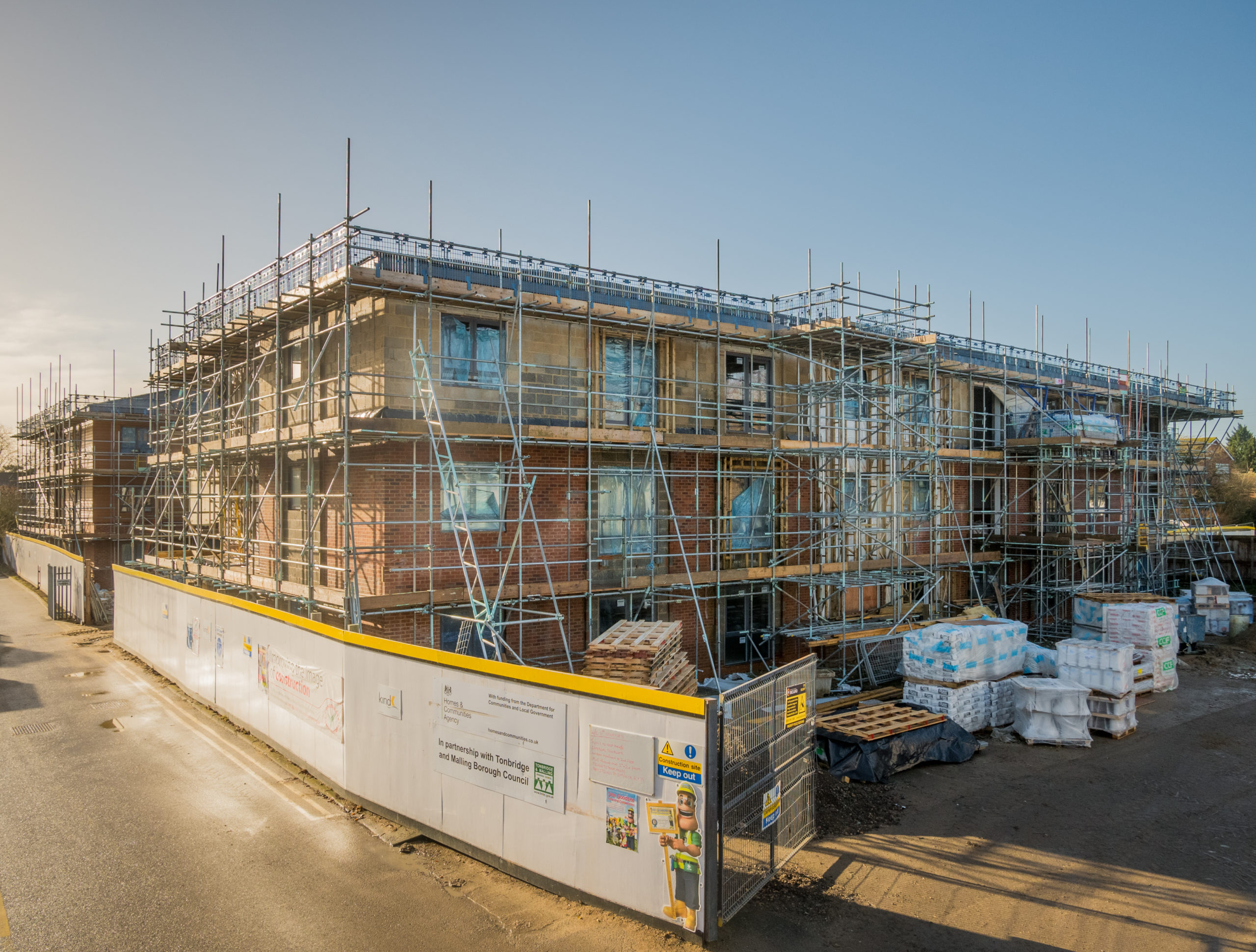 the crippling impact that the coronavirus is having on all aspects of our daily lives, many developers are moving ahead with their projects, regardless
Second Department Reverses Dismissal of Article 78 Proceeding on Ripeness Grounds
 A recent Second Department decision, Matter of Village of Kiryas Joel v County of Orange, et al., addresses the intriguing justiciability doctrine of ripeness, as applied to judicial review of municipal administrative action.
In 2007, Orange County (the “County”) acquired property known as Camp LaGuardia from the New York City Economic Development Corporation. Originally,
Standing And The Open Meetings Law

A popular topic on this blog is standing in the context of a challenge to a municipal determination, primarily under the State Environmental Quality Review Act. A recent case issued by the Appellate Division, Second Department, entitled Matter of McCrory v Village of Mamaroneck Board of Trustees, involves standing in the context of

Third Department Decides Novel Question of Law Relating to Zone Change Protest Petitions Under Town Law § 265
When landowners oppose a project that involves the rezoning of a neighboring property, they almost always have the opportunity to air their grievances through a public hearing process. If the rezoning is approved over their objections, landowners can sometimes seek judicial review of the board’s decision through an Article 78 proceeding.[i] However, there is