
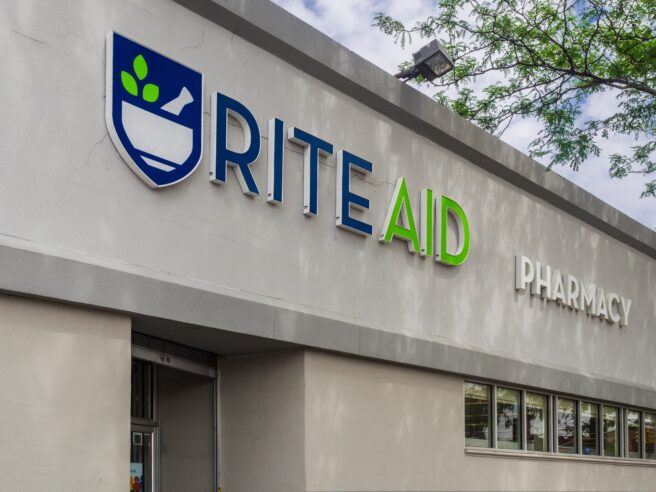
Suburban strip malls have been a staple of Long Island’s retail identity – convenient, accessible, and often anchored by big-name national chains. But, as retail trends evolve and those anchor tenants face uncertainty and for some, extinction, these once thriving properties are faced with the looming question of what comes next. For example, Rite Aid has struggled to stay afloat after filing for bankruptcy in 2023 and has left several Long Island landlords with vacant storefronts. However, this story isn’t unique to Rite Aid. Sears, Kmart, Bed Bath & Beyond, Party City – all large household names that at one-point anchored centers across Long Island. Now, these brands have downsized or disappeared entirely.
Rite Aid joins a growing list of retailers that now are either extinct or dramatically reduced in presence but once served as key anchors for many Long Island centers. JCPenny and Lord & Taylor filed for bankruptcy and shut down key Long Island locations. Bed Bath & Beyond left large footprints across Long Island after liquidating in 2023. Toys “R” Us, Office Max and Party City have all closed stores creating large format vacancies. Not only do these closures leave visible gaps in the retail landscape, they highlight a larger trend: many legacy retail chains are no longer reliable long term anchors.Continue Reading Retail Reckoning for Suburban Strip Malls