
 In an effort to generate revenue without raising taxes, many municipalities on Long Island, and elsewhere in New York State, are turning to the use of various forms of land development fees to meet their fiscal challenges. In many cases, these fees can be legally and morally justified, such as when they offset the actual

Appellate Court Invalidates Condition Imposing Durational Limit on Special Permit
 Under New York State law, zoning boards and planning boards are authorized to impose reasonable and appropriate conditions and restrictions on the grant of a variance or special permit, provided that they are directly related to, and incidental to, the proposed use of the property. Such conditions shall be consistent with the spirit and intent
Nassau and Suffolk Towns Enact Tougher Laws to Combat Vacant and Abandoned Properties
 The Towns of Babylon and Hempstead have recently enacted legislation designed to combat the blight associated with “zombie” homes and other vacant and abandoned properties. Both laws create a registry and require the payment of fees to offset the costs associated with monitoring and inspecting properties that are required to register.
Town of Babylon
The
New State and Local Laws Combat the Blight of “Zombie Properties”
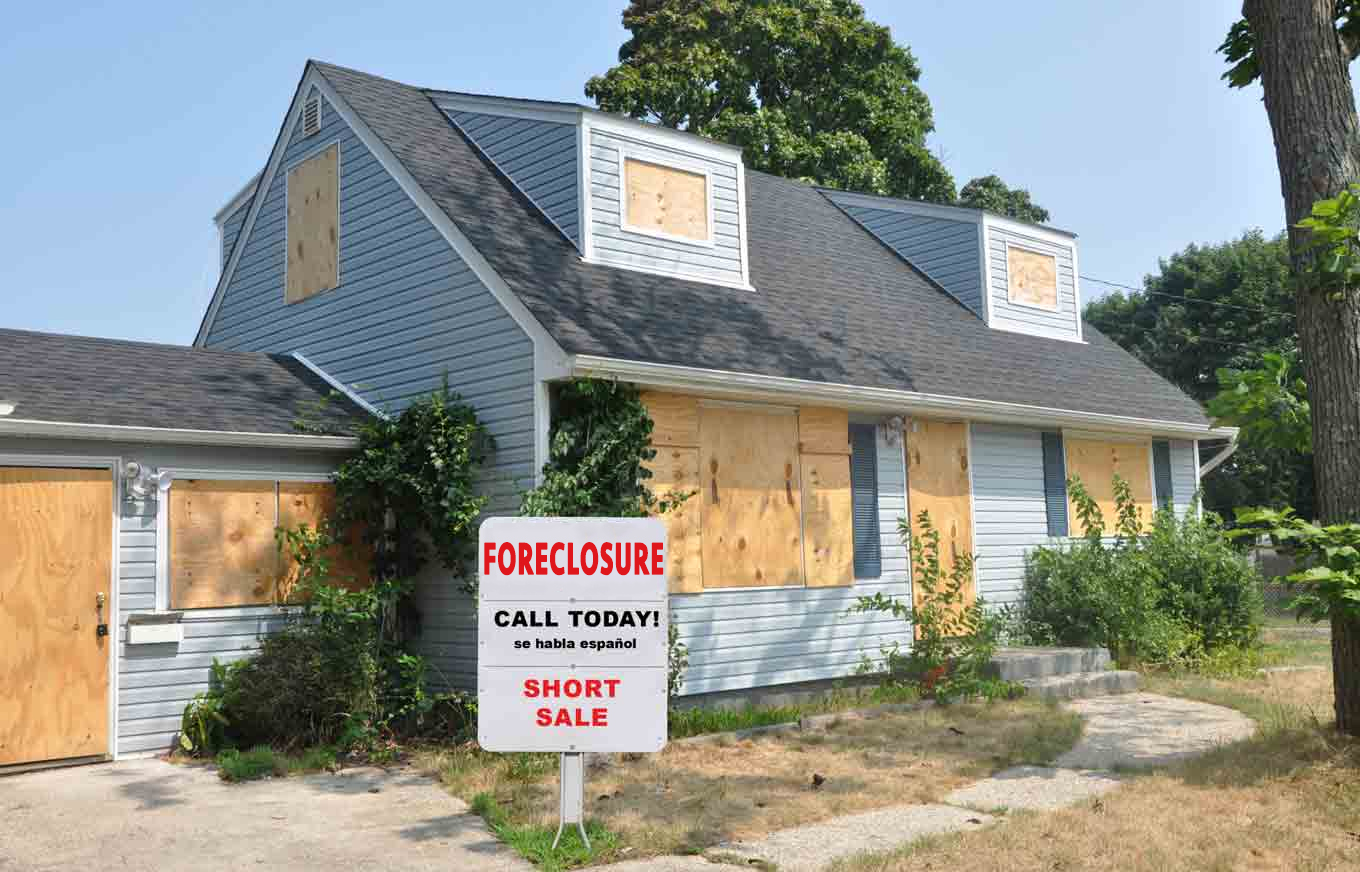 On June 23, 2016, Governor Andrew Cuomo signed the Abandoned Property Neighborhood Relief Act of 2016, a bill to combat the blight that vacant, neglected and abandoned properties – referred to as “zombie properties” – have on New York communities. See, pg. 27, Part Q. The sweeping legislation includes several measures designed to reduce
Court Clarifies and Limits Prior Ruling on Challenges to SEQRA Positive Declarations

A recent ruling by the New York Court of Appeals strictly limits a developer’s right to appeal a positive declaration under the State Environmental Quality Review Act (“SEQRA”). A “positive declaration” triggers the need for a draft environmental impact statement (“DEIS”) because there is a finding that the project has the potential to result in
Is Your Summer Rental Legal? Southold Town’s Short-Term Rental Law Comes Under Attack
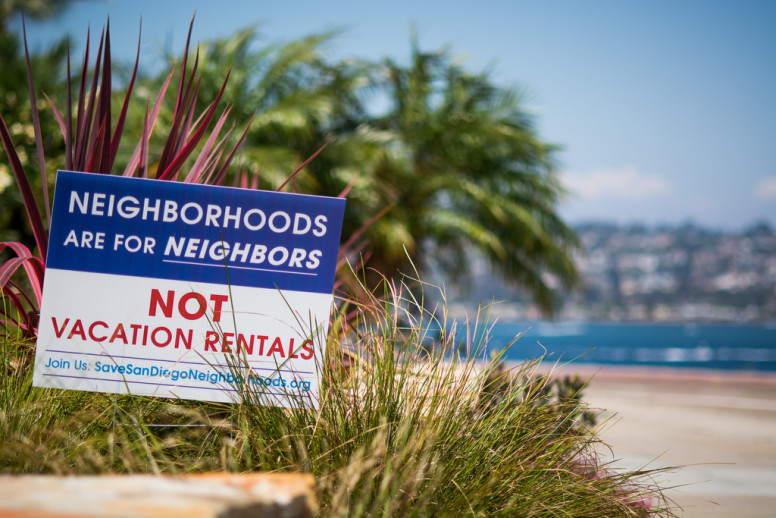 Using Airbnb and similar web-based short-term rental services that enable homeowners to rent out their homes has become popular with budget-conscious travelers. However, a growing number of municipalities believe that such transient rentals threaten the residential character and quality of life in the neighborhoods in which they occur and have adopted laws to regulate short-term
Glen Cove Authorizes Use of Summary Decisions in Zoning Board Matters
 On February 23, 2016, the Glen Cove City Council voted to approve a local law allowing the City’s Board of Zoning Appeals to issue its decisions in summary format. Summary decisions would set forth the Board’s decision and any conditions imposed, without enumerating detailed findings which form the basis of the Board’s decision. The law’s
Ripeness Ruling Defies Rationale of Court’s Decision
 In Matter of Ranco Sand & Stone Corp. v. Vecchio, 124 A.D.3d 73 (2nd Dept. 2014), the Appellate Division, Second Department, recently held that the issuance of a positive declaration under the New York State Environmental Quality Review Act (“SEQRA”) did not constitute a matter ripe for judicial review, but rather was merely
Appellate Court Rules on Common-Law Vested Rights
 The Appellate Division, Second Department, recently held that developers who incurred substantial expenses in furtherance of a particular development do not acquire a common-law vested right to proceed under prior zoning laws, where they failed to comply with the conditions of a prior approval before new zoning regulations were adopted. It also held that a
“Misrepresentations” May Justify Reconsideration of Prior Approval
 In a decision that underscores the importance of presenting accurate and truthful information when making a land use application, the Appellate Division in Matter of Green 2009, Inc. v. Weiss, Index No. 2012-06784 (February 13, 2014), recently affirmed the Town of Hempstead Board of Appeals (“BOA”) decision to reopen a prior decision which granted